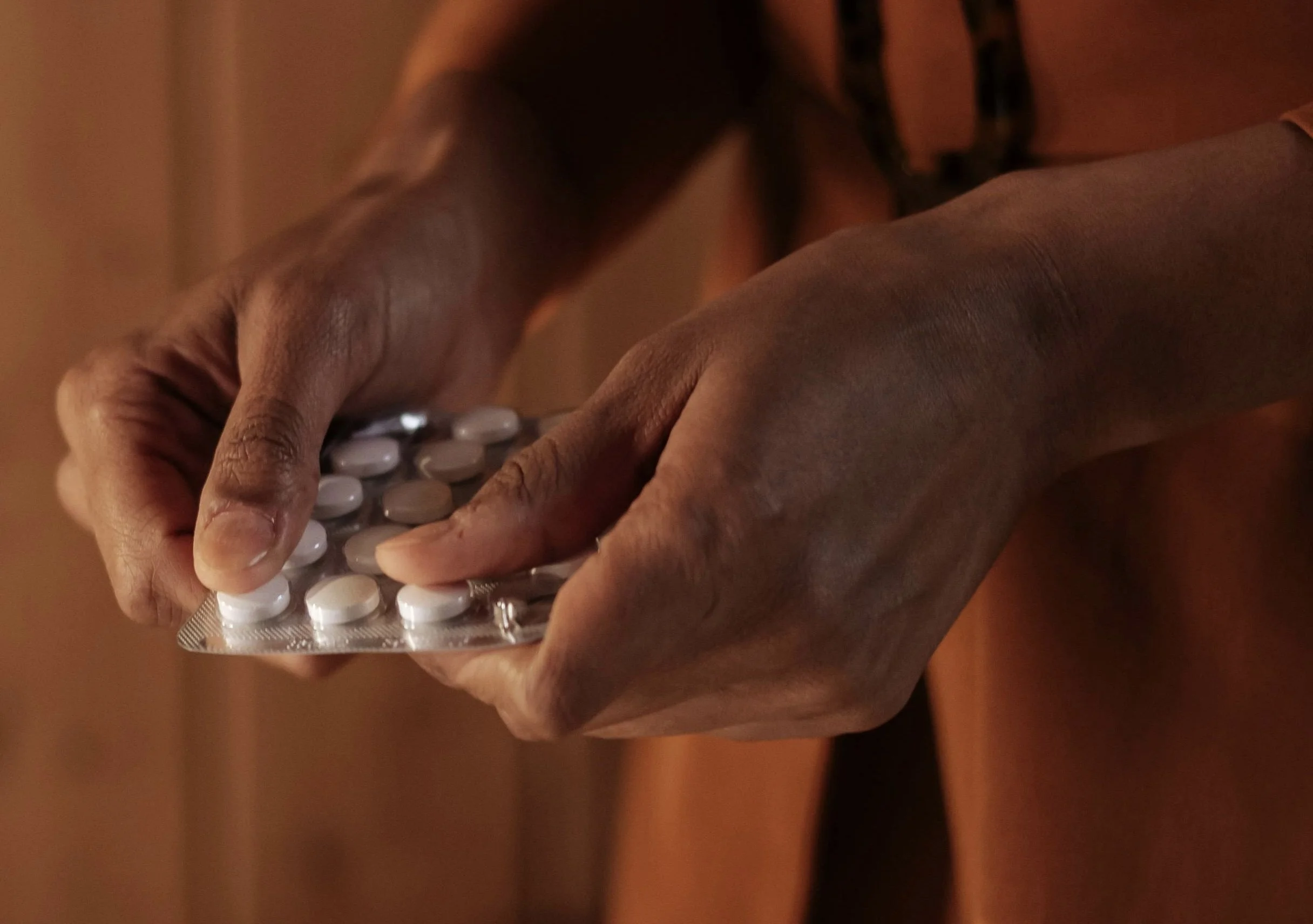
The Truth About Stopping Birth Control Cold Turkey — What No One Tells You
I stopped birth control cold turkey after years of consecutive use and nobody had warned me what was coming. The acne, the mood swings, the sleepless nights. This is everything I wish someone had told me before I made that decision.
I remember the exact moment I decided to stop taking birth control. I was sitting in my apartment in Akron, scrolling through research on my phone at two in the morning, reading about synthetic hormones and what they actually do inside a woman's body. And something inside me said enough.
So I stopped—cold turkey. No tapering. No plan. No preparation. Just stopped.
What happened next was something nobody had warned me about. My skin erupted. My sleep unraveled. My emotions became completely unpredictable. My cycle was erratic for months. And the acne that came back was worse than anything I had experienced before birth control. I thought something was seriously wrong with me.
It was not wrong with me. My body was doing what bodies do when you suddenly remove synthetic hormones after years of dependence. It was recalibrating. Loudly.
If you are thinking about coming off birth control, or if you already have and you are wondering why you feel the way you feel right now, this post is for you. I want to give you the honest, complete picture that most doctors skip over in a ten-minute appointment.
Why So Many Women Are Coming Off Birth Control
More women than ever are questioning their relationship with hormonal birth control. Hormonal birth control can affect everyone differently. Some women have mood swings, weight changes, headaches, or nausea, and for many of us, those side effects become the reason we start looking for alternatives.
Beyond side effects, there is a growing conversation in the integrative and holistic wellness space about what it actually means to suppress your natural hormonal cycle for months or years at a time. Your menstrual cycle is one of the most powerful indicators of your overall health. It reflects the state of your gut, liver, adrenal glands, thyroid, and nervous system. When you use synthetic hormones to override that cycle, you are not just preventing pregnancy or clearing up skin. You are also muting the signals your body is sending you every single month.
That does not make birth control inherently bad. It makes it a choice worth understanding fully. And coming off it is a choice worth understanding just as fully.
What Actually Happens When You Stop Birth Control
Here is the science of what your body goes through when you remove synthetic hormones.
Birth control contains both estrogen and progesterone, which create a quiet, consistent level of hormones in your body. Without them, your body will automatically want to re-stimulate follicles to potentially ovulate. In other words, your body has to remember how to run its own hormonal show again after being outsourced to a pill for months or years.
When you stop taking birth control pills, your body will gradually return to its natural hormonal rhythm. For some women, the transition is smooth, while others experience noticeable physical and emotional changes. The adjustment period can vary depending on individual health, age, and the length of time on the pill.
Here is what that adjustment can look like in practice:
Your period may be irregular for several months. Some women experience heavier bleeding and more intense menstrual cramps due to hormonal fluctuations. If you were on birth control specifically to manage painful periods or irregular cycles, those original symptoms may return as your body works to reestablish its natural rhythm.
Your skin may change significantly. Many birth control pills help manage acne by reducing testosterone levels, which decreases oil production in the skin. Without the pill, these levels may increase, leading to a resurgence of acne. Skin changes often emerge within a few weeks to months of stopping the pill. While some women experience minor breakouts, others may have more severe acne, particularly if they had skin issues before starting the pill.
This is exactly what happened to me. The acne that came back after I stopped was not just a few breakouts. It was full hormonal cystic acne along my jaw and chin, which I now understand was a direct reflection of the testosterone and androgen rebound happening in my body.
Your mood may shift dramatically. Birth control pills can help stabilize hormones that influence mood, so stopping them may lead to mood swings or increased feelings of anxiety or depression. This is not you being overly emotional. This is your brain chemistry adjusting to a completely new hormonal environment. Serotonin, dopamine, and other neurotransmitters are all influenced by estrogen and progesterone. When those hormones go through a rapid shift, your mood follows.
Your sleep may be disrupted. Many women report significant sleep disturbances in the weeks and months after stopping birth control. Progesterone has a naturally calming, sleep-supporting effect. When synthetic progesterone is removed, and your body has not yet begun producing adequate natural progesterone, sleep quality can suffer noticeably.
Your libido may change in unexpected ways. Some women find their sex drive increases after stopping birth control because synthetic hormones can suppress natural testosterone levels. Others find it decreases temporarily as their hormones recalibrate. Both are normal parts of the transition.
The Problem With Stopping Cold Turkey
Here is the part most doctors do not tell you. While technically you can stop hormonal birth control at any time without immediate medical danger, stopping abruptly, especially after long-term use, can send your hormonal system into significant shock.
Many ask whether they can just stop taking the pill cold turkey. Technically yes. But preparing your body for at least three months before stopping hormonal birth control is strongly recommended. Think of it like training for a marathon. You want your body in top shape before making the shift.
When I stopped cold turkey after years of consecutive birth control use, my body had no preparation and no support. I was not supplementing the nutrients that birth control depletes. I was not supporting my liver, which plays a critical role in processing and eliminating excess hormones. I was not eating in a way that supported hormonal recalibration. I just stopped and then wondered why everything went sideways.
The good news is that even if you have already stopped cold turkey, as I did, you can still support your body through the recalibration process. It is never too late to start nourishing your hormonal health.
What Birth Control Depletes and Why It Matters
One of the most underconversated aspects of long-term hormonal birth control use is its effect on nutrient levels. One of the most important steps you can take is replenishing the nutrient reserves that may have been depleted by years of hormonal birth control use. Key nutrients include methylated B vitamins, magnesium, zinc, and antioxidants. Methylated B vitamins support healthy methylation, which is a key process for hormone detoxification and regulation. Magnesium, vitamin C, and zinc are critical for hormone production and stress response. Inositol improves insulin sensitivity to support stable blood sugar, which is directly tied to balanced estrogen, progesterone, and cortisol levels.
What this means in practical terms is that when you come off birth control, your body may be starting from a nutritional deficit. You are not just dealing with hormonal recalibration. You are potentially dealing with depleted B vitamins, low magnesium, compromised zinc levels, and reduced antioxidant capacity all at the same time. This is why so many women feel so terrible in the months after stopping, even when they are eating reasonably well.
Supporting your body with nutrient-dense whole foods, targeted supplementation where appropriate, and gut healing practices can make an enormous difference in how you feel during and after this transition.
How to Support Your Body After Coming Off Birth Control
Whether you stopped yesterday or six months ago, here are the most important things you can do to support your hormonal recovery:
Prioritize whole food nutrition. Your liver needs support to process and eliminate the backlog of synthetic hormones leaving your system. Cruciferous vegetables like broccoli, cauliflower, cabbage, and Brussels sprouts support liver detoxification pathways. Dark leafy greens, beets, and fiber-rich foods support estrogen elimination through the digestive system. Reducing processed foods, refined sugar, and alcohol gives your liver the bandwidth to do its job.
Support your gut health. Your gut microbiome plays a critical role in hormone regulation. Beneficial gut bacteria help metabolize estrogen through a process called the estrobolome. When your gut flora is imbalanced, excess estrogen can be reabsorbed into the bloodstream rather than eliminated, which contributes to hormonal imbalance symptoms. Fermented foods, prebiotic fiber, and probiotic supplementation can all support a healthier gut environment during this transition.
Replenish your nutrients. Focus on foods rich in the nutrients birth control commonly depletes. Leafy greens, eggs, legumes, and whole grains support B vitamin levels. Pumpkin seeds, dark chocolate, avocado, and leafy greens support magnesium. Oysters, beef, chickpeas, and pumpkin seeds support zinc. A high-quality, whole-food-based multivitamin can also help bridge nutritional gaps during this period.
Start tracking your cycle. Your cycle is now your most valuable health data. Even if it is irregular at first, start tracking it. Note the first day of your period, any physical symptoms you experience, your energy levels, your mood, your skin, your sleep, and your digestion. Over time, these patterns will reveal what your body needs and help you understand what is normal for your unique hormonal profile.
Give yourself time and compassion. Within three months, your cycles will likely return to their previous patterns for most women. But for others, especially those who were on birth control for many years, the recalibration period can take longer. This does not mean something is wrong. It means your body has more recalibrating to do, and it deserves patience and support, not shame or frustration.
What I Wish Someone Had Told Me
I went off birth control without any of this knowledge. I did not know about nutrient depletion. I did not know about liver support. I did not know that my gut health would play a role in how my hormones rebalanced. I did not know that the acne exploding across my jaw was actually a message from my body about elevated androgens, not a sign that I was doing something wrong.
I spent almost two years dealing with symptoms that could have been significantly reduced if I had known how to support my body through the transition. That is part of why I became an integrative health coach. Too many women are navigating these experiences completely alone, given a prescription and a "good luck" and left to figure out the rest on their own.
Your body is not betraying you when it struggles after stopping birth control. It is recalibrating. And it needs support — real, personalized, whole life support — to do that well.
When to Seek Additional Support
If you have been off birth control for six months or more and are still experiencing significant hormonal symptoms, including severe acne, very irregular or absent periods, extreme mood instability, or other concerning symptoms, it is worth working with a healthcare provider or integrative health coach to investigate what may be going on more deeply.
Conditions like PCOS, thyroid dysfunction, and adrenal fatigue can all be unmasked when synthetic hormones are removed because the birth control was previously masking their symptoms. Getting to the root cause rather than managing symptoms is always the most powerful path forward.
A Note from Camisha
This is one of the most personal topics I write about because I lived it. I made the mistake of going cold turkey without preparation and spent years dealing with the hormonal fallout. But I also healed. And that healing taught me more about my body than any doctor's appointment ever did.
If you are navigating the transition off birth control and feeling lost, frustrated, or like your body is out of control, I want you to know that what you are experiencing makes complete sense. And there is real support available to you.
At Blackburn Wellness, I work with menstruating women to help them understand the connection between their gut health, their hormones, their nourishment, and their whole life. If you are ready to stop managing your symptoms and start actually healing from the inside out, I would love to connect with you.
Your first step is a free health history session. We will talk about where you are, what your body has been telling you, and what a personalized path forward looks like for you specifically.
You deserve that support. Book your free session today.

Cycle Syncing 101: How to Eat, Move, and Live According to Your Menstrual Cycle
You are not inconsistent. You are not lazy. You are cycling. Once you understand the four phases of your menstrual cycle and what your body actually needs during each one, everything changes. This is the guide I wish someone had handed me years ago.
Have you ever noticed that some weeks you feel unstoppable — full of energy, clear-headed, and ready to take on the world — and other weeks you can barely get off the couch without feeling completely drained? If you have been blaming yourself for inconsistency or lack of willpower, I want you to stop right now. Because the truth is, your body is not broken. It is cycling. And once you understand what that means, everything changes.
Welcome to Cycle Syncing 101. This is the guide I wish someone had handed me years ago — a straightforward, honest, and deeply practical breakdown of what your menstrual cycle is actually doing every single month and how you can work with it instead of against it.
What Is Cycle Syncing?
Cycle syncing is a concept that involves adapting your eating and exercise habits to the phases of your menstrual cycle. Where you are in your menstrual cycle can affect everything from your appetite to your sleeping patterns and moods.
The term was popularized by functional nutritionist Alisa Vitti and has since become one of the most talked about topics in women's holistic health. The idea that you can and should listen to your body is revolutionary. Cycle syncing gives you permission to take care of yourself in a different way.
At its core, cycle syncing is simply this: your body is not the same every day of the month. Your hormones are constantly shifting, and with them your energy levels, your mood, your appetite, your creativity, your social desire, and your physical capacity all shift too. Cycle syncing is the practice of recognizing those shifts and responding to them with intention rather than forcing your body to perform the same way every single day.
As an integrative health coach, this is one of the foundational concepts I teach because it is one of the most powerful shifts a menstruating woman can make. When you stop fighting your cycle and start flowing with it, your entire relationship with your body transforms.
Understanding Your Four Phases
Most of us were taught that our cycle is simply a period that comes once a month. But your menstrual cycle is actually made up of four distinct phases, each governed by a different hormonal environment that influences how you think, feel, move, and digest food.
Here is what each phase looks like and what your body actually needs during each one.
The Menstrual Phase — Days 1 to 5
This is your bleed. The first day of your period marks the first day of your cycle. During this phase, both estrogen and progesterone are at their lowest point. Your body is doing significant work shedding the uterine lining, and your energy naturally turns inward.
This is not a time to push through. This is a time to rest, nourish, and reflect. Many women feel an almost meditative quality during this phase when they allow themselves to slow down and honor what their body is doing.
What your body needs during your menstrual phase:
Your body is losing iron and needs to be replenished. Focus on iron-rich foods like dark leafy greens, lentils, beans, grass-fed beef, and pumpkin seeds. Warm, nourishing foods are especially supportive during this phase. Think soups, stews, and herbal teas. Anti-inflammatory foods like turmeric, ginger, and omega-3-rich fish can help reduce cramping and inflammation. Staying well hydrated is especially important as research has shown that adequate water intake can reduce the severity of menstrual pain.
Movement during your menstrual phase should be gentle. Walking, restorative yoga, stretching, and rest are ideal. This is not the time for high-intensity workouts. Pushing your body hard during your bleed raises cortisol, which can worsen hormonal imbalance over time.
The Follicular Phase — Days 6 to 13
Once your period ends, you enter your follicular phase. This is the season of new beginnings. Estrogen begins to rise as your body prepares to release an egg. The follicular phase is when the body's estrogen levels are rising, and the ovaries are preparing to release an egg. Nutrition during this phase can support hormone balance, energy levels, and overall health.
You will likely notice a significant shift in your energy during this phase. You feel lighter, more optimistic, more motivated, and mentally sharper. This is the best time to start new projects, have difficult conversations, learn new skills, and tackle your biggest goals.
What your body needs during your follicular phase:
Your digestion is stronger during this phase, so your body can handle a wider variety of foods. Focus on lighter proteins like eggs, fish, and legumes. Fermented foods like sauerkraut, kimchi, and yogurt support your gut microbiome, which plays a powerful role in estrogen metabolism. Fresh, colorful vegetables and fruits are ideal. Think salads, smoothies, and vibrant whole food meals.
Movement during your follicular phase can be more dynamic. Your energy is building, so this is a great time for strength training, cardio, dance, or trying a new fitness class. Your body is primed to build muscle and endurance during this phase.
The Ovulation Phase — Days 14 to 17
Ovulation is the peak of your cycle. Estrogen surges to its highest point, and luteinizing hormone triggers the release of an egg. This is your most outwardly energetic phase. The ovulation phase is where we typically see a rise in estrogen and, therefore energy. With more energy, we likely feel less burdened by cravings.
You may notice that you feel more confident, more social, more articulate, and more magnetic during ovulation. This is not a coincidence. Your hormones are literally designed to make you want to connect with others during this phase. It is a wonderful time for presentations, social events, important meetings, and meaningful conversations.
What your body needs during your ovulation phase:
Focus your diet on healthy foods to support energy and balance. Cruciferous vegetables like broccoli, cauliflower, and Brussels sprouts support the liver in processing excess estrogen, which is particularly important during this high estrogen phase. Anti-inflammatory foods, fiber-rich grains, and adequate protein keep your energy stable and support hormonal clearance.
Movement during ovulation can be your most intense of the month. High-intensity interval training, heavy lifting, competitive activities, and group fitness classes are all well supported during this phase. Your body is strong, and your pain tolerance is actually at its highest point during ovulation.
The Luteal Phase — Days 18 to 28
After ovulation, your body enters the luteal phase. Progesterone rises as your body prepares either for pregnancy or for your next period. If no egg is fertilized, estrogen and progesterone begin to fall, often dramatically, in the second half of this phase. This hormonal drop is responsible for everything we collectively call PMS.
The luteal phase is where most women will report symptoms of PMS, which could lead to increased cravings and potentially more hunger. Hydration is also particularly important during this menstruation phase, as it can help with bloating and feeling full.
During the luteal phase, your energy begins to turn inward again. You may feel more sensitive, more introverted, more easily overwhelmed. This is not weakness. This is your body beginning its natural wind-down in preparation for your bleed. Honor it.
What your body needs during your luteal phase:
Complex carbohydrates are your best friend during this phase. They support serotonin production, which naturally drops alongside progesterone. Think sweet potatoes, brown rice, oats, and legumes. Magnesium-rich foods like dark chocolate, avocado, nuts, and seeds can reduce cramping, bloating, and mood-related symptoms. Reducing processed sugar, alcohol, and caffeine during the second half of your luteal phase can significantly reduce PMS severity. These substances spike and crash your blood sugar, which amplifies every hormonal symptom you are already experiencing.
Movement during the luteal phase should gradually reduce in intensity as you move through it. The early luteal phase can still support moderate exercise like Pilates, yoga, brisk walking, and light strength training. As you approach your bleed, give yourself permission to move gently and rest more.
Why Cycle Syncing Is So Much More Than a Wellness Trend
I want to be honest with you here. Research about its benefits is still growing, and menstruation affects everyone differently, so there is no one-size-fits-all approach. Cycle syncing is not a magic cure, and it will not override serious hormonal conditions without additional support.
But what cycle syncing does — powerfully and consistently — is teach you to listen to your body. It gives you a framework for understanding why you feel the way you feel at different points in your month. It replaces shame and confusion with knowledge and compassion. And in my experience, both personally and in my work as an integrative health coach, that shift in perspective is where real healing begins.
Because hormones are in constant fluctuation throughout the menstrual cycle, causing major shifts in mood, cognition, exercise tolerance, and nutrition needs, there is real potential to optimize quality of life when each phase is supported with an aligned diet, exercise, and holistic methods.
Your cycle is not an inconvenience. It is not something to suppress or manage. It is one of the most powerful indicators of your overall health, and it is communicating with you every single day of the month.
How to Start Cycle Syncing Today
You do not need to overhaul your entire life to begin. Start small and build from there.
Step one is to track your cycle. You cannot sync what you do not know. Use a free app like Clue, Flo, or a simple journal to start noting the first day of your period and any physical or emotional patterns you notice throughout the month. Even one cycle of intentional tracking will begin to reveal powerful patterns.
Step two is to start with food. Pick one phase and focus on eating in alignment with it for one full cycle. Notice how your body responds. You do not need to be perfect. Even small shifts toward more phase-aligned eating can create noticeable differences.
Step three is to honor your energy. Start paying attention to when you feel naturally energetic and when you feel naturally depleted. Begin to schedule your most demanding tasks and social commitments during your follicular and ovulation phases and protect your luteal phase and menstrual phase for rest, reflection, and slower work.
Step four is to be patient and compassionate with yourself. Cycle syncing is a practice, not a prescription. It will evolve as you get to know your own body more deeply. And the more you practice listening, the more your body will begin to trust you back.
A Note from Camisha
I spent years in a body I did not understand. I pushed through my period because I thought that was what strength looked like. I ate the same way and trained the same way every day of the month, regardless of how I felt, and then wondered why I always felt behind, depleted, and out of sync.
Learning to cycle sync was one of the most quietly revolutionary things I have ever done for my health. It did not happen overnight, and it is not a perfect science. But it gave me something I had been searching for for years: a relationship with my own body built on understanding rather than punishment.
If this resonates with you and you are ready to go deeper, I would love to support you. At Blackburn Wellness, I help menstruating women understand the connection between their gut health, their hormones, their nourishment, and their whole life so they can finally feel like themselves again.
Your first step is a free health history session where we will talk about where you are, what your body has been telling you, and what a personalized path forward might look like for you.
You deserve that conversation. Book yours today.